
Security should make a home calmer, not more stressful. A house can have expensive cameras everywhere and still be frustrating if the app is confusing, the footage is hard to search, or the front gate does not connect cleanly with the rest of the home.
HiLook, HikVision and Akuvox can all have a place, but they solve different parts of the problem.
Start with the outcome, not the brand
Before choosing cameras or an intercom, it helps to answer a few simple questions:
- Do you want to see who is at the door, record the driveway, monitor side paths, or cover the whole perimeter?
- Do you need useful phone notifications, or only recorded footage?
- How many days of recording should the system keep?
- Should the gate, intercom, alarm and smart-home scenes talk to each other?
- Will guests, cleaners or family members need simple access?
Those answers matter more than picking a camera from a shelf.
HiLook
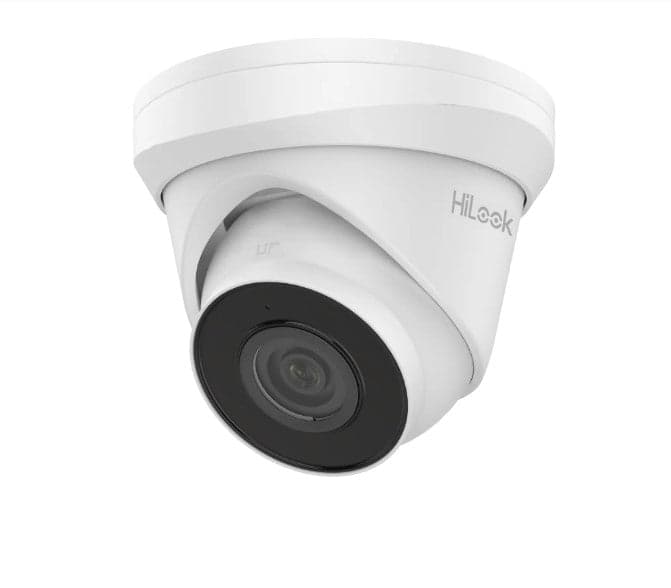
HiLook is often a good fit for straightforward residential CCTV where the owner wants sensible coverage without overbuilding.
It can suit smaller homes, townhouses, basic perimeter coverage and budget-conscious NVR systems. The aim is clear footage, simple operation and a clean install.
HikVision
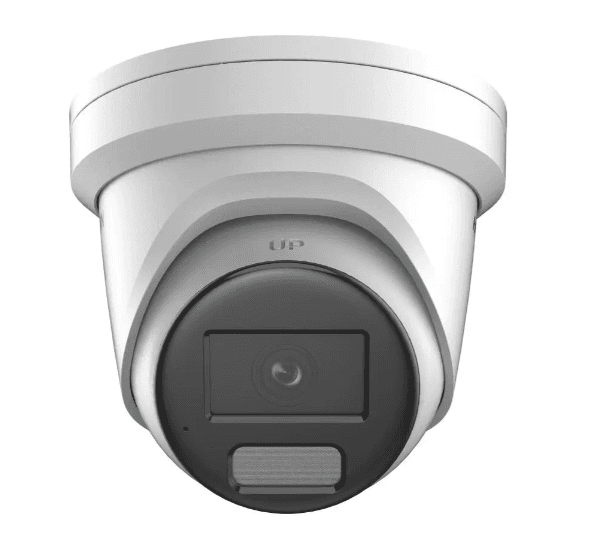
HikVision is usually considered when the project needs a broader range, higher camera options, stronger recording requirements or alarm/access-control integration.
It can suit larger homes, multi-camera NVR systems, more difficult lighting conditions, driveway coverage, gate areas and projects where the security design is more serious.
For Australian projects, product selection should always be checked against current local availability, warranty pathway and project requirements before specifying the exact model.
Akuvox
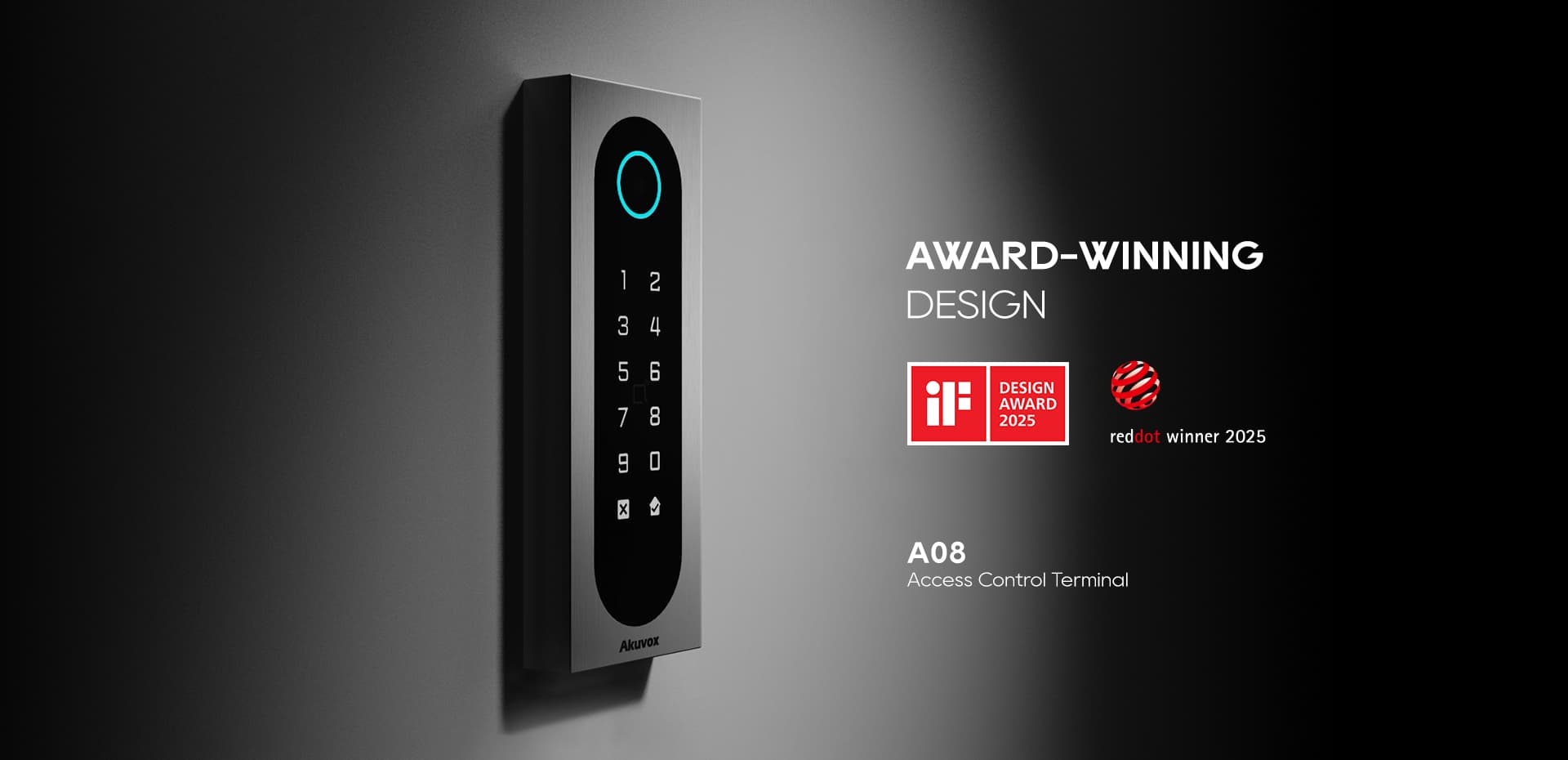
Akuvox is more about intercom and access than general CCTV. It is useful when the front door, gate, apartment entry or visitor flow needs to feel polished.
Good uses include video intercom, door stations, indoor monitors, app answering, access control and integration with a wider smart-home control layer.
CCTV is one layer, not the whole system
Cameras record and verify what happened. Alarm sensors detect. Intercom and access control manage who gets in. Lighting helps people feel safe and can make camera footage more useful.
A complete design considers:
- Camera placement and field of view.
- Night performance and glare.
- NVR storage and network location.
- Alarm sensors and arming modes.
- Door, gate and garage access.
- Visitor workflow.
- Privacy and neighbour sightlines.
- Notifications that are useful rather than noisy.
What homeowners usually want
Most homeowners do not want a complicated security room. They want confidence.
They want to know who arrived, find footage quickly, let the right person in, avoid false alerts, and have the home react sensibly when they leave or arrive.
Useful integrations include entry lights turning on with selected motion events, a door station appearing on a wall panel, away mode adjusting lights and security together, and camera shortcuts inside the main home control surface.
The best system is the one you can use easily on a normal day and trust on a stressful one.